
Casablanca Clothing Dynamic Look Fresh Color Options
Why Verifying Casa Blanca Clothes Is Important in 2026
As the Casablanca fashion house has surged in recognition and aftermarket worth, imitation Casa Blanca clothes have turned steadily more widespread in e-commerce platforms, social media shops and even some brick-and-mortar stores. In 2026, the international fake clothing market is estimated to top 50 billion dollars per year, and high-end brands with powerful brand identities—like Casablanca—are major subjects. Purchasing a counterfeit not only leads to wasting money on low-grade materials but also undermines the design labour of the creators and skilled workers who make real garments. For shoppers who are shopping outside legitimate stores, learning how to spot differences between authentic and replica Casablanca garments is an essential knowledge. This overview walks through the most dependable verification techniques, including everything from labels and tags to textiles, artwork and hardware. Possessing this knowledge, you can shop with confidence on secondary-market sites, consignment stores and international websites without being deceived by ever more refined fakes.
Inspecting Labels, Tags and Packaging
The first indicator when verifying Casa Blanca clothes is the interior label arrangement. Real Casablanca pieces include a brand label with the brand name printed in clear, uniform lettering. Kerning is consistent, the font aligns with genuine brand standards and the stitching that secures the label to the item is straight and well-anchored. Replicas sometimes show subtle lettering flaws, uneven intervals or subtly changed font weights that become apparent when compared in parallel with screenshots from the official website. The content and washing label should state correct fabric percentages, sharp laundry icons and a country of origin—usually Portugal, Italy or another European production facility—rendered cleanly rather than in smudged ink. Swing tags, if present, should feature sturdy paper stock or laminated card with clean text and a matching brand palette. Wrapping details such as dust bags, branded tissue and branded stickers can also offer hints, though these casablanca-sale.com are simpler for forgers to reproduce. For this reason, labels should never be the exclusive criterion for verification; always cross-reference with other evidence.
Fabric Quality and Hand Feel
One of the strongest markers of legitimacy is fabric calibre. Casablanca employs superior fabrics including mulberry silk, lightweight cotton, substantial fleece, merino wool and superior blends. Silk shirts should be silky, pleasantly cool and dense in the hand, with a genuine glow that changes as the fabric moves. Replica silk substitutes often rely on polyester or inferior satin that feels lighter, warmer to the touch and overly reflective in a plastic-looking way. Cotton hoodies and sweatpants from the real label have noticeable density and body; fakes tend to be lighter, more shapeless and more prone to pilling after a single wash. Knitwear should display uniform knit density, tidy borders at the collar and cuffs, and a soft feel that does not seem irritating or artificially finished. When in doubt, check the textile against a verified real garment or ask for thorough close-up photos from the retailer. Even through a phone, discrepancies in texture, flow and glow can often be detected by an attentive shopper.
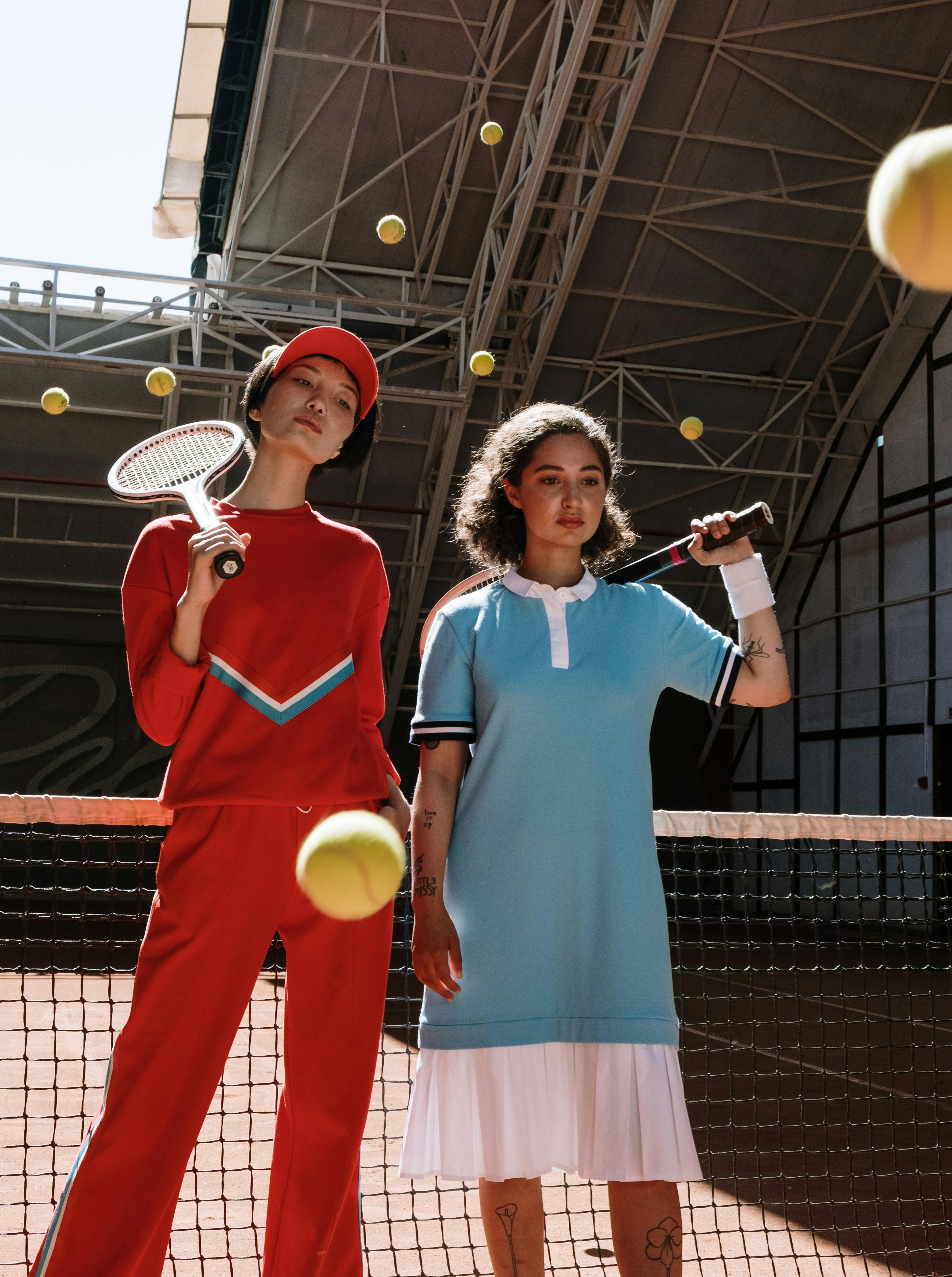
Concise Contrast: Real vs. Fake Casa Blanca Clothes
| Factor | Genuine Casablanca | Typical Replica |
|---|---|---|
| Label typography | Consistent, sharp, regularly spaced | Somewhat irregular, uneven spacing |
| Silk fabric | Pleasantly cool, fluid, natural sheen | Hot to touch, thin, plastic-like shine |
| Print registration | Aligns precisely across seams | Shifted at seams |
| Sewing | Neat, uniform, no stray threads | Uneven, stray threads visible |
| Zips and buttons | Fluid, weighty, branded | Light, rattly, blank |
| Wash label | Sharp print, accurate percentages | Fuzzy text, imprecise percentages |
| Presentation | Branded dust bag, premium card | Generic bag, thin card |
Artwork Quality and Pattern Matching
Casablanca is well known for its complex prints, and this is where many imitations break down most clearly. On real Casa Blanca clothes, printed illustrations is crisp, vibrant and exactly placed. Shades move seamlessly, fine details such as fine lines and colour gradations are well-defined, and the print aligns perfectly across seams—meaning that if a pattern crosses from the front panel to the side panel, the design flows without break or gap. Counterfeit graphics often show fuzzy outlines, muted or unnaturally bright hues, visible screening artefacts from poor-quality production and clear registration errors at panel joins. Thread-worked logos should rest smoothly against the textile, with yarns that are neatly anchored and hues that replicate authorised product photos accurately. If embroidery seems puffy, uneven or marginally wrong in tone, it is a significant warning sign. Taking time to inspect closely listing images—or to check tangible garments under good light—can expose print and stitching defects that are imperceptible at first viewing.
Zips and Buttons, Construction and Fine Details
Beyond material and print, the make standard of a clothing item reveals a strong picture about its provenance. Authentic Casablanca garments feature neat, even seams with no dangling threads, tightly sewn buttons that may bear fine branding, and zips that glide smoothly without snagging. Metal-finish colours—silver, gold or antique brass—are uniform across the piece and align with the design intent of the collection. Button openings are clean and reinforced, pocket panels sit smoothly without twisting, and hems are completed cleanly. On counterfeit Casa Blanca clothes, needlework may meander, buttonholes may be loose or unravelling, and zips can appear cheap, light or poorly placed. Interior finishing is another clue: real items often have bound or overlocked seams, reinforced stress points and orderly label placement, while replicas may display unfinished edges, irregular seam widths or awkwardly attached tags. Checking these fine features takes only a short time but can preserve significant money and real frustration.
Sizing, Fit and Additional Indicators
Authentic Casablanca pieces conform to a uniform fit standard across seasons, with measurements that match the sizing guide available on the official website. If a vendor cannot provide exact sizing data, or if the measurements appear incorrect compared to published size information, approach with care. Genuine garments also feature reliable sizing balance—relaxed but not sloppy through the body, with sleeve lengths and leg finishes that reflect the house’s design intent. Fakes sometimes mimic the surface design but miss structural balance, resulting in pieces that appear unbalanced or poorly balanced when tried on. Internal tags should display a sizing label, sometimes along with a product code that can be cross-referenced with Casablanca support. Fine features like the way a collar falls, how a cuff finishes and the size of pocket openings all influence the complete experience of a original garment. When these aspects seem irregular or rushed, it often points to a counterfeit garment made to a inferior grade of construction.
Where and How to Buy Without Risk in 2026
The most secure route to original Casa Blanca clothes is through the authorised Casablanca e-commerce site, physical stores and authorised retail partners such as SSENSE, Mr Porter, Farfetch and prominent department stores that recognise Casablanca as an approved brand. When purchasing on pre-owned sites, opt for services that offer specialist authentication services—such as Vestiaire Collective or The RealReal—and read seller ratings and feedback closely. Demand supplementary images of branding, tags, artwork and metal fittings before buying, then compare them with official product images from latest collections. Be suspicious of offers that use brand imagery instead of genuine item-specific images, as this can hide defects. If the selling price is dramatically below than standard retail value for a given piece, regard it as a warning sign rather than a rare find. Social media groups, including Reddit’s legit-check communities and Instagram accounts focused on identifying counterfeit luxury goods, can provide further support. At the end of the day, staying safe when buying Casa Blanca clothes calls for time, homework and a willingness to decline opportunities that seem suspiciously cheap. Building a verified Casablanca wardrobe is a rewarding journey that maintains both your budget and the credibility of the fashion house. For authorised verification guidance, consult the Casablanca Paris website and reliable luxury platforms like Vestiaire Collective.
